Quotessence
Home / Quotes / Quote by Philip Yancey

Quote by Philip Yancey

“We are all trophies of God's grace, some more dramatically than others; Jesus came for the sick and not the well, for the sinner and not the righteous. He came to redeem and transform, to make all things new. May you go forth more committed than ever to nourish the souls who you touch, those tender lives who have sustained the enormous assaults of the universe. (pp.88)”

Quote by Philip Yancey

Author
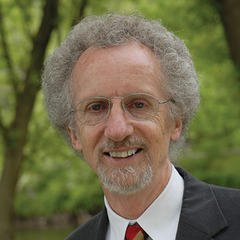
Philip Yancey
Philip Yancey

Philip Yancey (born 1949) is one of the most influential contemporary Christian authors in the United States. He is widely known for his profound explorations of faith, suffering, and grace, blending personal experience, theological reflection, and literary narrative. His bestselling books, including Where Is God When It Hurts?, What's So Amazing About Grace?, and The Jesus I Never Knew, have sold over 15 million copies worldwide and been translated into dozens of languages. Yancey served as an editor for Christianity Today and has written for numerous publications. His honest, thoughtful, and accessible writing style has deeply impacted millions of readers, inviting both believers and skeptics to engage with the complexities of faith. more

You May Also Like

“Faith is a great thing, and really religious people would like us to believe that faith and knowing are the same thing, but I don't believe that myself. Because there are too many different ideas on the subject. What we know is this: When we die, one of two things happens. Either our souls and thoughts somehow survive the experience of dying or they don't. If they do, that opens up every possibility you could think of. If they don't, it's just blotto. The end.”

“Look around you. Your world-hosts are all in mutiny, in confusion, destitution; on the eve of fiery wreck and madness! They will not march farther for you, on the sixpence a day and supply-demand principle; they will not; nor ought they, nor can they. Ye shall reduce them to order, begin reducing them. to order, to just subordination; noble loyalty in return for noble guidance. Their souls are driven nigh mad; let yours be sane and ever saner.”

“Yes, yes, I'm coming. Right up the top of the house. One moment I'll linger. How the mud goes round in the mind-what a swirl these monsters leave, the waters rocking, the weeds waving and green here, black there, striking to the sand, till by degrees the atoms reassemble, the deposit sifts itself, and a gain through the eyes one sees clear and still, and there comes to the lips some prayer for the departed, some obsequy for the souls of those one nods to, the one never meets again.”

“I know he did horrible things in the jungle. Things no amount of alcohol or pills could erase. War stains soldiers, all the way through their psyches, into their souls. I understand that, and could almost forgive him for taking his own life, to quiet the ghosts. But I can never forgive him for taking my mother with him.”

“Why do all the clerks and navvies in the railway trains look so sad and tired, so very sad and tired? I will tell you. It is because they know that the train is going right. It is because they know that whatever place they have taken a ticket for that place they will reach. It is because after they have passed Sloane Square they know that the next station must be Victoria, and nothing but Victoria. Oh, their wild rapture! oh, their eyes like stars and their souls again in Eden, if the next station were unaccountably Baker Street!”