“I have ever been prone to seek adventure and to investigate and experiment where wiser men would have left well enough alone.”
Quote by Edgar Rice Burroughs
Work
Complete Works of Edgar Rice Burroughs: 70+ Adventure Classics & Science Fiction Novels (Illustrated): The Tarzan Series, The Barsoom Chronicles, The Pelucidar Series, Caspak Trilogy, The Moon Trilogy, The Venus Series, Westerns, Lost World Novels, Fantasy Classics, Historical Novels and more
The Complete Works of Edgar Rice Burroughs is a vast compilation that brings together a diverse array of works by the renowned author. It includes the iconic Tarzan series, set in the African jungle, and the Barsoom Chronicles, which explore the Red Planet. The collection also features the Pelucidar series, the Caspak Trilogy, and the Moon Trilogy, all set in imaginative worlds. Additionally, it encompasses Westerns, Lost World novels, fantasy classics, and historical novels, showcasing Burroughs' versatility as a writer. Each novel is accompanied by illustrations, enhancing the reading experience. This comprehensive collection is a must-have for fans of Edgar Rice Burroughs and adventure literature. more
Author
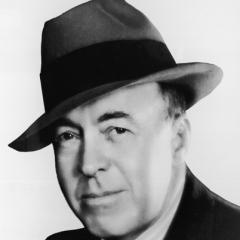
Edgar Rice Burroughs
Edgar Rice Burroughs was an American writer born on September 1, 1875, in Illinois, and died on March 19, 1950. He is renowned for his science fiction and adventure novels, with his most famous works being the 'Mars Trilogy' and the 'John Carter' series. His works have had a profound impact on science fiction literature. more
You May Also Like
Source: The planet Neptune: an exposition and history
Source: Dialogues of Alfred North Whitehead
Source: H. G. WELLS Ultimate Collection: 120+ Science Fiction Classics, Novels & Stories; Including Scientific, Political and Historical Works: The Time Machine, The Island of Doctor Moreau, The Invisible Man, The War of the Worlds, Modern Utopia, A Short History of the World, What Is Coming, The Story of the Last Trump…
Source: Adventures of Ideas
“Sometimes I would almost rather have people take years of my life than take away a moment.”