Quotessence
Home / Quotes / Quote by Lydia M. Child

Quote by Lydia M. Child

“In the first place, an unjust law exists in this Commonwealth, by which marriages between persons of different color is pronounced illegal. I am perfectly aware of the gross ridicule to which I may subject myself by alluding to this particular; but I have lived too long, and observed too much, to be disturbed by the world's mockery.”

Quote by Lydia M. Child

Author
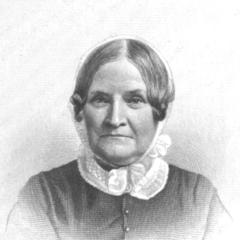
Lydia M. Child
Lydia M. Child

Lydia M. Child was an American abolitionist, women's rights activist, and writer. Born on February 11, 1802, she dedicated her life to advocating for the rights of African Americans and women. Child was a prominent figure in the abolitionist movement and played a significant role in the fight against slavery. She also contributed to the women's rights movement by advocating for women's suffrage and equality. Her works, including 'The Woman in the Nineteenth Century,' continue to influence contemporary discussions on gender equality and social justice. more

You May Also Like

“In the first place, the government ought not to be invested with power to control the affections, any more than the consciences of citizens. A man has at least as good a right to choose his wife, as he has to choose his religion. His taste may not suit his neighbors; but so long as his deportment is correct, they have no right to interfere with his concerns.”

“I do not know how the affair at Canterbury is generally considered; but I have heard individuals of all parties and all opinions speak of it and never without merriment or indignation. Fifty years hence, the black laws of Connecticut will be a greater source of amusement to the antiquarian, than her famous blue laws.”

“Animals struggle with each other for food or for leadership, but they do not, like human beings, struggle with each other for thatthat stands for food or leadership: such things as our paper symbols of wealth (money, bonds, titles), badges of rank to wear on our clothes, or low-number license plates, supposed by some people to stand for social precedence. For animals the relationship in which one thing stands for something else does not appear to exist except in very rudimentary form.”