“Individuals we consider happy commonly seem complete in the present and we see them constantly in their wholeness: attentive, cheerful, open rather than closed to events, integral in the moment rather than distended across time by regret or anxiety.”
Quote by Robert Grudin
Work
Time and the Art of Living
This work examines the relationship between time and human experience, considering both practical and philosophical dimensions of temporal awareness. The book encourages readers to reflect on their relationship with time beyond conventional productivity frameworks, suggesting that how one perceives moments contributes significantly to overall quality of life. Through various observations and considerations, the author presents ideas about the importance of present-moment awareness and the value of intentional living. The approach blends insights about efficient time use with deeper reflections on what constitutes a well-lived life, proposing that true mastery of time involves understanding its subjective nature rather than simply managing schedules and tasks. more
Author
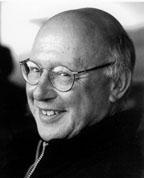
Robert Grudin
Robert Grudin is an American writer renowned for his contributions to literary criticism and theory. His work spans various domains including literary criticism, fiction, and poetry. more