“The garden [of Eden] is the realm of pure beauty from which man is expelled when he becomes interested in ethics, in the fruit of the tree of knowledge of good and evil. The return into paradise, the homecoming, depends on him penetrating the veils of morality to glimpse again the lineaments of lost beauty.”
Quote by John Carroll
Author
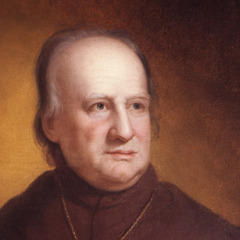
John Carroll
John Carroll (January 8, 1735 - December 3, 1815) was an American religious leader and one of the founding figures of Catholicism in the United States. Born in Ireland, he immigrated to the United States and became the first Archbishop of the United States, playing a significant role in promoting Catholicism and advocating for religious freedom for Catholics in America. more
You May Also Like
Source: Break-Out from the Crystal Palace: The Anarcho-Psychological Critique: Stirner, Nietzsche, Dostoevsky
Source: Break-Out from the Crystal Palace: The Anarcho-Psychological Critique: Stirner, Nietzsche, Dostoevsky
“We know accurately only when we know little, with knowledge doubt increases.”
Source: Break-Out from the Crystal Palace: The Anarcho-Psychological Critique: Stirner, Nietzsche, Dostoevsky
Source: Break-Out from the Crystal Palace: The Anarcho-Psychological Critique: Stirner, Nietzsche, Dostoevsky
“Man at his best is a system-breaker, an iconoclast seeking not only variety, but destruction.”