“[T]he first transactions of a nation, like those of an individual upon his first entrance into life make the deepest impression, and are to form the leading traits in its character.”
Quote by George Washington
Author
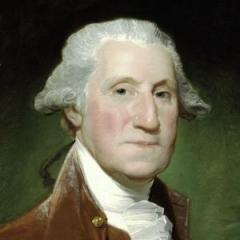
George Washington
George Washington was the first President of the United States and a key figure in the American Revolutionary War. Born on February 22, 1732, and died on December 14, 1799, Washington is known for his strong leadership and belief in democracy, playing a crucial role in American history. more
You May Also Like
Source: The Life of General Washington: First President of the United States
Source: Public Papers of the Presidents of the United States: Ronald Reagan, 1981
Source: Speeches of Fisher Ames in Congress, 1789-1796
Source: The Federalist Papers: A Collection of Essays Written in Favour of the New Constitution
Source: The Federalist, on the New Constitution, Written in 1788
“One hundred and seventy-three despots would surely be as oppressive as one.”
Source: The Federalist, on the new constitution, written in 1788, with an appendix, containing the letters of Pacificus and Helvidius on the proclamation of neutrality of 1793, also the original articles of confederation and the constitution of the United States