“One hundred and seventy-three despots would surely be as oppressive as one.”
Quote by James Madison
Work
The Federalist, on the new constitution, written in 1788, with an appendix, containing the letters of Pacificus and Helvidius on the proclamation of neutrality of 1793, also the original articles of confederation and the constitution of the United States
This book is a collection of essays and documents that discuss and defend the proposed United States Constitution. It includes the original text of the Constitution, the Articles of Confederation, and appendices with letters exchanged between Pacificus and Helvidius regarding the 1793 proclamation of neutrality. The work is considered a cornerstone of American political thought. more
Author
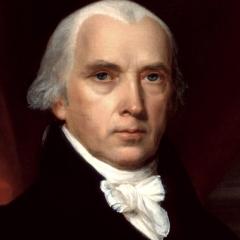
James Madison
James Madison, the 4th President of the United States, was born on March 16, 1751, and died on June 28, 1836. He was a key figure in drafting the U.S. Constitution and had a profound impact on the political system of the United States. more
You May Also Like
Source: The Federalist: A Commentary on the Constitution of the United States
Source: The writings of Thomas Jefferson
Source: The Federalist, on the New Constitution, Written in the Year 1788
Source: The Federalist, on the New Constitution, Written in the Year 1788
Source: Memoirs of the life and writings of Benjamin Franklin ...
Source: The Writings of James Madison: 1787-1790
Source: The Federalist, on the New Constitution, Written in the Year 1788
Source: The Federalist Papers: A Collection of Essays Written in Favour of the New Constitution