Quotessence
Home / Quotes / Quote by Philip Zimbardo

Quote by Philip Zimbardo

“For years I've been interested in a fundamental question concerning what I call the psychology of evil: Why is it that good people do evil deeds? I've been interested in that question since I was a little kid. Growing up in the ghetto in the South Bronx, I had lots of friends who I thought were good kids, but for one reason or another they ended up in serious trouble. They went to jail, they took drugs, or they did terrible things to other people. My whole upbringing was focused on trying to understand what could have made them go wrong.”

Quote by Philip Zimbardo

Author
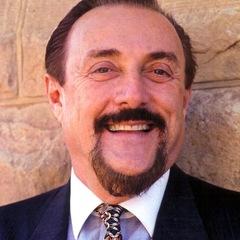
Philip Zimbardo
Philip Zimbardo

Philip Zimbardo is a renowned psychologist, known for his groundbreaking research in prison experiments and personality psychology. His work has revealed the complexity of human behavior and the impact of social environments on individual actions. more

You May Also Like

“The "Lucifer Effect" describes the point in time when an ordinary, normal person first crosses the boundary between good and evil to engage in an evil action. It represents a transformation of human character that is significant in its consequences. Such transformations are more likely to occur in novel settings, in "total situations," where social situational forces are sufficiently powerful to overwhelm, or set aside temporally, personal attributes of morality, compassion, or sense of justice and fair play.”

“This is the woman who stopped the Stanford Prison Study. When I said it got out of control, I was the prison superintendent. I didn't know it was out of control. I was totally indifferent. She came down, saw that madhouse and said, "You know what, it's terrible what you're doing to those boys. They're not prisoners, they're not guards, they're boys, and you are responsible." And I ended the study the next day. The good news is I married her the next year.”

“Whether we consider Nazi Germany or Abu Ghraib prison, there were many people who observed what was happening and said nothing. At Abu Ghraib, one photo shows two soldiers smiling before a pyramid of naked prisoners while a dozen other soldiers stand around watching passively. If you observe such abuses and don't say, "This is wrong! Stop it!" you give tacit approval to continue. You are part of the silent majority that makes evil deeds more acceptable.”