“That's the kind of stories I know. Sad ones. Anyway, taken to it's logical conclusion, every story is sad, because at the end everyone dies.”
Book:The Blind Assassin
“That's the kind of stories I know. Sad ones. Anyway, taken to it's logical conclusion, every story is sad, because at the end everyone dies.”
Set in the 1940s and 1950s, this book is a complex literary work that combines elements of mystery, romance, and magical realism. It follows the lives of two sisters, Iris and Laura, and delves into the secrets and complexities of their family history. more
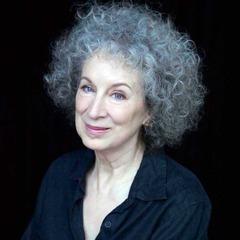
Margaret Atwood is a renowned Canadian poet, novelist, playwright, and critic, born on November 18, 1939. Her works are known for their unique style and profound insights into social issues, with notable titles including 'The Handmaid's Tale' and 'Cat's Eye'. more
“Let the morning keep what belongs to the morning,”
“At some point your candle will go out, so make use of the light.”
“Pursue money while you're alive, so that poverty will not pursue you when you're old.”
“Hydrated copper aluminum phosphate - Turquoise.”
“I've noticed that TV commercials are often in C.”