“I was not much afraid of punishment, I was only afraid of disgrace.But that I feared more than death, more than crime, more than anything in the world. I should have rejoiced if the earth had swallowed me up and stifled me in the abyss. But my invincible sense of shame prevailed over everything . It was my shame that made me impudent, and the more wickedly I behaved the bolder my fear of confession made me. I saw nothing but the horror of being found out, of being publicly proclaimed, to my face, as a thief, as a liar, and slanderer.”
Quote by Jean-Jacques Rousseau
Work
The Confessions of Jean-Jacques Rousseau
This landmark work chronicles Rousseau's life from his birth in Geneva through his formative years, documenting his experiences as a boy, his travels, his intellectual development, and his personal relationships. The work is notable for its unprecedented frankness and psychological honesty, as Rousseau attempts to lay bare his innermost thoughts, weaknesses, and inconsistencies without self-justification or concealment. It established a new genre of autobiographical writing that influenced generations of memoirists and became a foundational text of Western literary autobiography. Rousseau's account provides valuable insight into the intellectual and social climate of the European Enlightenment while offering a personal document remarkable for its candor and introspective quality. more
Author
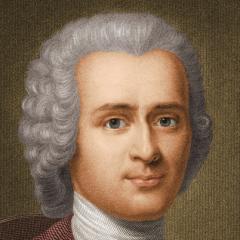
Jean-Jacques Rousseau
Jean-Jacques Rousseau was a French philosopher, writer, and composer, considered one of the most important figures of the Enlightenment. His works have had a profound impact on subsequent literature, political, and social theories. more
You May Also Like
Source: Seduction and Betrayal: Women and Literature
Source: The Yeats companion
“I believe that rules do not make us moral; loving each other makes us moral.”
Source: The Shape of Desire