“Long discourses, and philosophical readings, at best, amaze and confound, but do not instruct children. When I say, therefore, that they must be treated as rational creatures, I mean that you must make them sensible, by the mildness of your carriage, and in the composure even in the correction of them, that what you do is reasonable in you, and useful and necessary for them; and that it is not out of caprichio, passion or fancy, that you command or forbid them any thing.”
Quote by John Locke
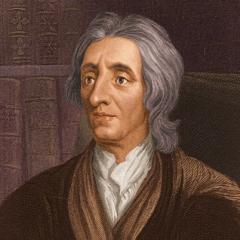
John LockeJohn Locke (August 29, 1632 - October 28, 1704) was an English philosopher, political theorist, and physician, considered one of the most influential figures of the Enlightenment. His ideas have had a profound impact on political philosophy, ethics, and epistemology. more
“Reason, if consulted with, would advise, that their children's time should be spent in acquiring what might be useful to them when they come to be men, rather than to have their heads stuff'd with a deal of trash, a great part whereof they usually never do ('tis certain they never need to) think on again as long as they live: and so much of it as does stick by them they are only the worse for.”
Source: Locke, Berkely and Hume
“How much education may reconcile young people to pain and sufference, the examples of Sparta do sufficiently shew; and they who have once brought themselves not to think bodily pain the greatest of evils, or that which they ought to stand most in fear of, have made no small advance toward virtue.”
Source: The works of John Locke ...
“How then shall they have the play-games you allow them, if none must be bought for them?" I answer, they should make them themselves, or at least endeavour it, and set themselves about it. ...And if you help them where they are at a stand, it will more endear you to them than any chargeable toys that you shall buy for them.”
Source: Some Thoughts Concerning Education
“Whoever has used what means he is capable of, for the informing of himself, with a readiness to believe and obey what shall be taught and prescribed by Jesus, his Lord and King, is a true and faithful subject of Christ s kingdom:;; and cannot be thought to fail in any thing necessary to salvation.”
Source: The Works of John Locke: The reasonableness of Christianity. A vindication of the Reasonableness of Christianity, from Mr. Edward's reflections. A second vindication
“These two, I say, viz. external material things, as the objects of SENSATION, and the operations of our own minds within, as the objects of REFLECTION, are to me the only originals from whence all our ideas take their beginnings.”
“That which parents should take care of... is to distinguish between the wants of fancy, and those of nature.”
Source: The Works of John Locke: Some thoughts concerning education. An examination of P. Malebranche's opinion of seeing all things in God. A discourse of miracles. Memoirs relating to the life of Anthony, first earl of Shaftesbury. Some familiar letters between Mr. Locke and several of his friends
“Large corporations welcome innovation and individualism in the same way the dinosaurs welcomed large meteors.”
“There's no such thing as good ideas and bad ideas. There are only your own ideas and other people's. If you want someone to like your idea, tell him he said it first last week and you just remembered it.”
Source: Stick to Drawing Comics, Monkey Brain!: Cartoonist Explains Cloning, Blouse Monsters, Voting Machines, Romance, Monkey G ods, How to Avoid Being Mistaken for a Rodent, and More
“We live on a placid island of ignorance in the midst of black seas of infinity, and it was not meant that we should voyage far.”
“God designs people's emotions so you fall in love with people who, in return, wouldn't even use your hollowed-out skull for a spittoon.”
Source: Stick to Drawing Comics, Monkey Brain!: Cartoonist Explains Cloning, Blouse Monsters, Voting Machines, Romance, Monkey G ods, How to Avoid Being Mistaken for a Rodent, and More