“Never think that by releasing me you will be free. You would only condemn us to an ultimate hell on earth. You would only free something else to destroy us both.”
Quote by Malcolm Lowry
Work
Under the Volcano: A Novel
Under the Volcano is a novel by British author Robert Louis Stevenson, published in 1928. Set in Mexico during the 1930s, the story revolves around the lives of two expatriates, Alonzo and his wife, who are struggling with alcoholism and existential despair. The novel is known for its vivid portrayal of the Mexican landscape and its exploration of themes such as the nature of evil, the destructiveness of alcoholism, and the search for meaning in a chaotic world. more
Author
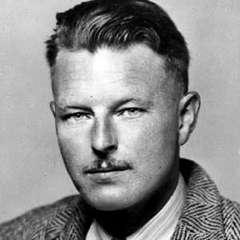
Malcolm Lowry
Malcolm Lowry, born on July 28, 1909, was a renowned British poet known for his unique literary style and profound depiction of alcoholism. His life was marked by challenges, including multiple mental breakdowns, yet his poetry remains a significant contribution to 20th-century literature. more
You May Also Like
“I woke early like a condemned man to the naivety of birdsong.”
Source: A New Model of the Universe
Source: Revolutionary Road
Source: Arminian Theology: Myths and Realities
Source: Welcome to the Desert of the Real!: Five Essays on September 11 and Related Dates
“The philosophers Camus and Sartre raise the question whether or not a man can condemn himself.”
“The friend of the present order of things condemns all political speculations in the gross.”
Source: An Essay on the Principle of Population: Illustrated