“As there is no worldly gain without some loss, so there is no worldly loss without some gain; if thou hast lost thy wealth, thou hast lost some trouble with it; if thou art degraded from thy honor, thou art likewise freed from the stroke of envy; if sickness hath blurred thy beauty, it hath delivered thee from pride. Set the allowance against the loss, and thou shalt find no loss great; he loses little or nothing, that reserves himself.”
Quote by Francis Quarles
Work
Enchiridion Institutions, Essays and Maxims, political, moral & divine. Divided into four centuries. By Francis Quarles
Enchiridion Institutions, Essays and Maxims is a compilation of works by Francis Quarles, encompassing political, moral, and divine themes. The book is divided into four centuries, offering insights into the historical and cultural context of Quarles' writings. more
Author
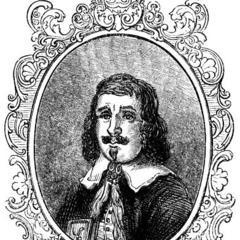
Francis Quarles
Francis Quarles, a renowned English poet, was born on May 8, 1592, and died on September 8, 1644. His poetry focused on religious and moral themes, deeply influenced by Puritan thought. more
You May Also Like
“Lust is a sharp spur to vice, which always putteth the affections into a false gallop.”
Source: The Poetical Works of Richard Crashaw and Quarles' Emblems
Source: Poetical Works: And, Quarles' Emblems
Source: The Poetical Works of Richard Crashaw and Quarles' Emblems
“Nor fire, nor rocks, can stop our furious minds, Nor waves, nor winds.”
Source: Emblems, Divine and Moral: The School of the Heart ; And, Hieroglyphics of the Life of Man
“Toyish airs please trivial ears.”
Source: Emblems, divine and moral; The school of the heart [really by C. Harvey] and Hieroglyphies of the life of man
Source: Emblems, Divine and Moral: The School of the Heart ; And, Hieroglyphics of the Life of Man
Source: The Poetical Works of Richard Crashaw and Quarles' Emblems
Source: Enchiridion: Containing Institutions Divine Contemplative Practical: Moral Ethical Oeconomical Political
“Whosoever obeyeth the devil, casteth himself down: for the devil may suggest, compel he cannot.”
Source: The Poetical Works of Richard Crashaw and Quarles' Emblems