“Thinking and spoken discourse are the same thing, except that what we call thinking is, precisely, the inward dialogue carried on by the mind with itself without spoken sound.”
Quote by Plato
Work
Plato's Theory of Knowledge: The Theaetetus and the Sophist
Plato's Theory of Knowledge: The Theaetetus and the Sophist is a scholarly examination of two key dialogues by the ancient Greek philosopher Plato. The book analyzes the concepts of knowledge, perception, and understanding as presented in Theaetetus and Sophist, offering insights into Plato's theory of Forms and the nature of reality. It includes discussions on the role of dialectic and the limitations of human understanding, reflecting the depth and complexity of Plato's philosophical thought. more
Author
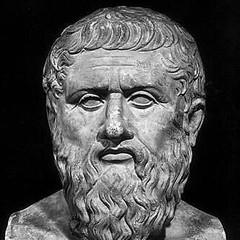
Plato
Plato (428 BC - 348 BC) was a prominent Greek philosopher, one of the most influential figures in Western philosophy. He founded the Academy, which was the first institution of higher education in the Western world. Plato's philosophy, centered around the theory of Forms, emphasized the importance of reason and morality. more
You May Also Like
Source: The Connoisseur's Guide to the Mind: How We Think, How We Learn, and What It Means to Be Intelligent
Source: The cognitive computer: on language, learning, and artificial intelligence