“When the nature of the thing is incomprehensible, I can acquiesce in the Scripture: but when the signification of words is incomprehensible, I cannot acquiesce in the authority of a Schoolman.”
Quote by Thomas Hobbes
Work
The Moral and Political Works of Thomas Hobbes of Malmesbury: Never Before Collected Together : To which is Prefixed, the Author's Life, Extracted from that Said to be Written by Himself, ...
The book is a comprehensive compilation of Thomas Hobbes' philosophical works, focusing on his contributions to moral and political philosophy. It features an introductory section that provides a biography of Hobbes, drawn from his own accounts. The collection is significant for its historical context and the insights it offers into Hobbes' theories on government, society, and human nature. more
Author
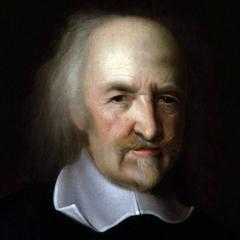
Thomas Hobbes
Thomas Hobbes, a British philosopher, politician, historian, economist, and writer, was born on April 5, 1588, in Wiltshire, and died on December 4, 1679, in Oxford, England. Hobbes is considered one of the most important philosophers of the 17th century, known for his profound analysis of the state, society, and human behavior. more
You May Also Like
Source: The English Works of Thomas Hobbes of Malmesbury
Source: The English Works of Thomas Hobbes of Malmesbury
Source: Leviathan, Parts I and II - Revised Edition
Source: Leviathan
Source: Leviathan
Source: Leviathan, Parts I and II
Source: Man and Citizen: De Homine and De Cive
Source: Behemoth or The Long Parliament