“To have her meals, and her daily walk, and her fill of novels, and to be left alone, was all that she asked of the gods.”
Quote by Anthony Trollope
Work
The Palliser Novels: Complete Parliamentary Chronicles (All Six Novels in One Volume): Can You Forgive Her? + Phineas Finn + The Eustace Diamonds + Phineas Redux + The Prime Minister + The Duke’s Children
The Palliser Novels is a series of interconnected novels that delve into the intricate world of British politics and the lives of its characters. The collection features 'Can You Forgive Her?' as the first novel, followed by 'Phineas Finn,' 'The Eustace Diamonds,' 'Phineas Redux,' 'The Prime Minister,' and concluding with 'The Duke’s Children.' These works are renowned for their meticulous portrayal of political machinations, social dynamics, and personal relationships, providing a rich tapestry of the Victorian period. more
Author
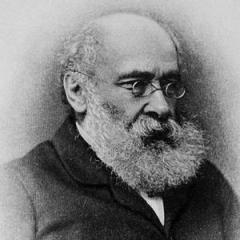
Anthony Trollope
Anthony Trollope was an English novelist known for his detailed portrayals of Victorian British society. His works often centered around political and administrative themes, showcasing his profound insights into social structures and class divisions. more
You May Also Like
Source: Thinking in Pictures
“When asked, "Why do you always wear black?", he said, "I am mourning for my life.”
“Character is doing what you don't want to do but know you should do.”
Source: 8 Books in 1: Jane Austen's Complete Novels. Sense and Sensibility, Pride and Prejudice, Mansfield Park, Emma, Northanger Abbey, Persuasion, Lady Susan, and Love an
Source: The Protestant ethic and the spirit of capitalism
“We shouldn't be looking for heroes, we should be looking for good ideas.”