“Most wonderful of all are words, and how they make friends one with another.”
Book:Whirligigs
“Most wonderful of all are words, and how they make friends one with another.”
Whirligigs is a volume of short fiction by the celebrated American writer O. Henry, first published in 1910. The title refers to spinning toys, symbolizing the unpredictable and cyclical nature of fate and fortune that often appears in the author's work. The stories in this collection showcase O. Henry's characteristic style: clever wordplay, vivid character sketches, and twist endings that reveal hidden truths or ironic reversals. Set in early 20th-century urban and rural America, the tales range from comedic to poignant, touching on themes of love, deception, sacrifice, and the quirks of everyday life. While the book does not follow a single narrative, it exemplifies O. Henry's enduring popularity as a master of the short story form. more
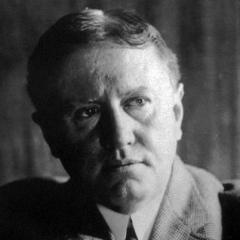
O. Henry, born William Sydney Porter, was a renowned American short story writer known for his unexpected twists and humorous style. His works, characterized by surprise endings and wit, are celebrated as a cornerstone of American short story literature. O. Henry was born in North Carolina and had a tumultuous life, working in various jobs including a cotton plantation laborer and a silver mine worker in Mexico. He was imprisoned for fraud and it was during his time in jail that he began writing, publishing numerous short stories. His stories covered a wide range of themes, including love, friendship, family, and social issues. more
“All language is rhetorical, and even the senses are poets.”