“I will march on in the path of nature till my legs sink under me, and then I shall be at rest, and expire into that air which has given me my daily breath.”
Quote by Marcus Aurelius
Work
The Meditations: Translated from the Greek
This book is a compilation of personal writings by Marcus Aurelius, Roman Emperor and Stoic philosopher. It offers insights into his thoughts on philosophy, life, and governance, reflecting his Stoic beliefs and personal reflections. more
Author
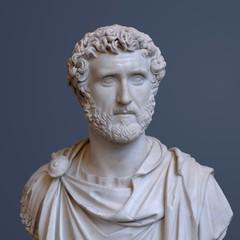
Marcus Aurelius
Marcus Aurelius, born in 121 AD and died in 180 AD, was an emperor of the Roman Empire. He is one of the Five Good Emperors and is known for his philosophical thoughts and the stability of his reign. He was not only an outstanding politician but also a famous Stoic philosopher, whose work 'Meditations' has had a profound impact on later generations. more
You May Also Like
Source: The Emperor's Handbook: A New Translation of The Meditations
Source: The Emperor's Handbook: A New Translation of The Meditations
Source: Meditations
Source: The Emperor's Handbook: A New Translation of The Meditations
Source: The Meditations of Marcus Aurelius
Source: The Emperor's Handbook: A New Translation of The Meditations
“The controlling Intelligence understands its own nature, and what it does, and whereon it works.”
Source: The Meditations: Translated from the Greek
“The gods sustain and guide all their works.”
Source: The Emperor's Handbook: A New Translation of The Meditations
“Look deep into the hearts of men, and see what delights and disgusts the wise.”
Source: The Emperor's Handbook: A New Translation of The Meditations