“Most of us were not afraid of death, only of the act of dying; and there were times when we overcame even this fear. At such moments we were free-men without shadows, dismissed from the ranks of the mortal; it was the most complete experience of freedom that can be granted a man.”
Quote by Arthur Koestler
Work
Dialogue with Death: The Journal of a Prisoner of the Fascists in the Spanish Civil War
This book is a first-hand narrative detailing the author's time as a prisoner during the tumultuous Spanish Civil War, offering an intimate look into the hardships and resilience of individuals caught in the conflict's turmoil. more
Author
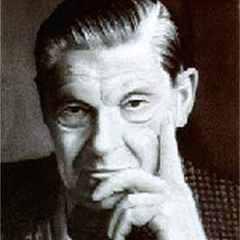
Arthur Koestler
Arthur Koestler was a Hungarian-British author, journalist, and political activist. He is renowned for his novel 'Darkness at Noon' and his involvement in the Spanish Civil War. Koestler's writings frequently delved into the themes of totalitarianism and the individual's resistance to oppression. more
You May Also Like
Source: Dialogue with Death: The Journal of a Prisoner of the Fascists in the Spanish Civil War
Source: The Theosophical Writings of Annie Besant
“When a great life sets it leaves an afterglow on the sky far into the night.”
“No matter who you are, you will be put abed at last with a shovel.”
Source: Lacon, Or, Many Things in a Few Words: Addressed to Those who Think
“The dead's dead ... get 'em in the ground and look to the live ones.”
Source: Sometimes a Great Notion