“A man with few friends is only half-developed; there are whole sides of his nature which are locked up and have never been expressed. He cannot unlock them himself, he cannot even discover them; friends alone can stimulate him and open him.”
Quote by Randolph Bourne
Work
The Radical Will: Selected Writings, 1911-1918
This book compiles a selection of essays, articles, and other written works from the years 1911 to 1918, showcasing the author's intellectual contributions and perspectives during that time. more
Author
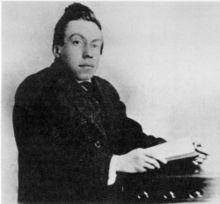
Randolph Bourne
Randolph Bourne was an American writer known for his profound insights into cultural, social, and philosophical issues. His work covered a wide range of topics, including imperialism, war, individualism, and democracy. Bourne's writing style was distinctive, often characterized by sharp criticism and deep analysis. more
You May Also Like
Source: Hons and Rebels
Source: Poison Penmanship: The Gentle Art of Muckraking
“Enemies are, to me, as important as friends in my life, and when they die I mourn their passing.”
Source: Poison Penmanship: The Gentle Art of Muckraking
Source: The American Way of Death Revisited
Source: The American Way of Death Revisited
Source: THE AMERICAN WAY OF DEATH