Quotessence
Home / Quotes / Quote by Laurell K. Hamilton

Quote by Laurell K. Hamilton

Work

Obsidian Butterfly: An Anita Blake, Vampire Hunter Novel

This book is part of a series that follows Anita Blake, a professional vampire hunter, as she navigates the complexities of her dual life. The story delves into her pursuit of vampires and other supernatural entities, while also exploring her personal relationships and moral dilemmas. more

Author
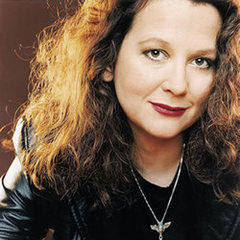
Laurell K. Hamilton
Laurell K. Hamilton

Laurell K. Hamilton is an American author renowned for her best-selling novel series 'Harry Potter'. Born on February 19, 1963, she is a prolific writer whose works span a variety of literary genres including fantasy, horror, and romance. more

You May Also Like

“Most of us were not afraid of death, only of the act of dying; and there were times when we overcame even this fear. At such moments we were free-men without shadows, dismissed from the ranks of the mortal; it was the most complete experience of freedom that can be granted a man.”

“To will the obligatory in relation to death is to fall in line with the major immutable cycles of Nature, especially human nature, and to understand that (whether or not there is a purpose or meaning to life or a life of the spirit beyond the life of the body) no one, absolutely no one, escapes being finite and mortal. And knowing this, and then to accept it, to will it, and not to be in an unnecessary state of angst or rebellion or terror over it.”

“Death tripped down the corridor, changing step, struck out here and there, danced pirouettes; often I felt his breath on my face when he was miles away; often I fell asleep and dreamed while he stood leaning over my bed.”

“Death cannot touch the higher consciousness of man ... it can only separate those who love each other so far as their lower vehicles are concerned; the man living on earth, blinded by matter, feels separated from those who have passed onwards, but ... there is no such thing as Death at all.”

“Death is not earnest in the same way the eternal is. To the earnestness of death belongs precisely that remarkable capacity for awakening, that resonance of a profound mockery which, detached from the thought of the eternal, is an empty and often brash jest, but together with the thought of the eternal is just what it should be, utterly different from the insipid solemness which least of all captures and holds a thought with tension like that of death.”