“The city was blacked out because bombers might come, so Billy didn't get to see Dresden do one of the most cheerful things a city can do when the sun goes down, which is to wink its lights on one by one.”
Book:SLAUGHTERHOUSE FIVE
“The city was blacked out because bombers might come, so Billy didn't get to see Dresden do one of the most cheerful things a city can do when the sun goes down, which is to wink its lights on one by one.”
Kurt Vonnegut's Slaughterhouse-Five is a narrative that intertwines the author's own experiences during the bombing of Dresden with a fantastical, nonlinear storytelling style. The protagonist, Billy Pilgrim, is a soldier who survives the devastating attack and finds himself trapped in time, experiencing the same moments repeatedly. The novel delves into themes of randomness, existentialism, and the absurdity of war, offering a poignant and often humorous perspective on life and death. more
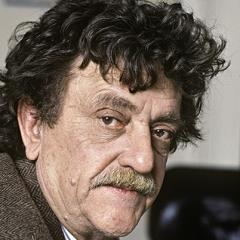
Kurt Vonnegut was an American writer known for his unique humor and profound satire. His works often explore themes of war, humanity, society, and politics. His most famous works include 'Slaughterhouse-Five' and 'Cat's Cradle'. His writing style has been widely appreciated by readers and has had a profound impact on literature. more
“Love is a continual interrogation. I don’t know of a better definition of love.”
“The rationality of the ruled is always the weapon of the rulers.”