“Since we want not emancipation from impulse but clarification of impulse, the duty of rhetoric is to bring together action and understanding into a whole that is greater than scientific perception.”
Quote by Richard M. Weaver
Work
The Ethics of Rhetoric
This book delves into the philosophical underpinnings of rhetoric, examining how ethical considerations shape the use of persuasive language and communication. more
Author
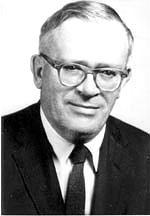
Richard M. Weaver
Richard M. Weaver was an influential American philosopher, born on March 3, 1910, and died on April 1, 1963. He is known for his profound insights into language, culture, and political philosophy, particularly for his work 'The Language of Art', which explored the nature of language and its relationship to reality. more
You May Also Like
Source: Life without prejudice, and other essays
Source: Life Without Prejudice: And Other Essays
Source: Life without prejudice, and other essays
Source: Ideas Have Consequences: Expanded Edition
“Man ... feels lost without the direction-finder provide by progress.”
Source: The Ethics of Rhetoric
Source: The Ethics of Rhetoric
Source: In defense of tradition: collected shorter writings of Richard M. Weaver, 1929-1963
Source: Ideas Have Consequences