“When the sovereign spirit within us is true to nature, it stands poised and ready to adjust to every change in circumstances and to seize each new opportunity. It doesn't approach an object with prejudice or preconception, but handles each thing dispassionately before embracing it and, if necessary, finds advantage in what opposes it. It is like fire in this regard. Whereas a feeble flame might suffocate under a pile of dry sticks, a robust fire consumes everything it touches. The more objects of any kind heaped on it, the higher it rises, the hotter it burns.”
Quote by Marcus Aurelius
Work
The Emperor's Handbook: A New Translation of The Meditations
This book presents a new translation of Marcus Aurelius' philosophical writings, known as The Meditations. The text explores the Stoic principles and personal reflections of the Roman Emperor, providing a contemporary perspective on ancient wisdom. more
Author
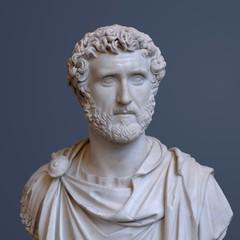
Marcus Aurelius
Marcus Aurelius, born in 121 AD and died in 180 AD, was an emperor of the Roman Empire. He is one of the Five Good Emperors and is known for his philosophical thoughts and the stability of his reign. He was not only an outstanding politician but also a famous Stoic philosopher, whose work 'Meditations' has had a profound impact on later generations. more
You May Also Like
“Do not suffer a sudden impression to overbear your judgment.”
Source: The Meditations: Translated from the Greek
Source: The Meditations of Marcus Aurelius
Source: The Emperor's Handbook: A New Translation of The Meditations
“Never act without purpose and resolve, or without the means to finish the job.”
Source: The Emperor's Handbook: A New Translation of The Meditations
Source: Stoic Six Pack: Meditations of Marcus Aurelius The Golden Sayings Fragments and Discourses of Epictetus Letters from a Stoic and The Enchiridion
Source: Stoic Six Pack: Meditations of Marcus Aurelius, Golden Sayings, Fragments and Discourses of Epictetus, Letters from a Stoic and The Enchiridion
Source: Stoic Six Pack: Meditations of Marcus Aurelius, Golden Sayings, Fragments and Discourses of Epictetus, Letters from a Stoic and The Enchiridion
Source: Stoic Six Pack: Meditations of Marcus Aurelius, Golden Sayings, Fragments and Discourses of Epictetus, Letters from a Stoic and The Enchiridion
Source: Meditations