“How false is the conception, how frantic the pursuit, of that treacherous phantom which men call Liberty.”
Quote by John Ruskin
Work
Selections from the writings of John Ruskin ... With a portrait
In 'Selections from the writings of John Ruskin ... With a portrait,' readers are introduced to the profound thoughts and observations of John Ruskin, a prominent figure in Victorian literature and criticism. The book gathers extracts from his extensive body of work, covering a range of topics from the aesthetics of art to the social conditions of his time. Each selection is accompanied by a portrait of Ruskin, providing a visual representation of the author alongside his written contributions. The collection offers a comprehensive look into Ruskin's intellectual legacy and his influence on the fields of art and social thought. more
Author
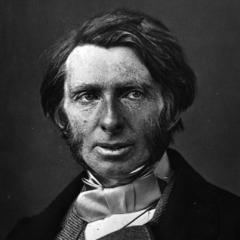
John Ruskin
John Ruskin was an influential British art critic, writer, and social critic. Known for his profound insights into art, architecture, and social issues, he had a significant impact on the aesthetics and culture of the Victorian era. more
You May Also Like
Source: Selections and Essays
Source: Modern Painters
Source: Modern Painters: pt. 6. Of leaf beauty. pt. 7. Of cloud beauty. pt. 8-9. Of ideas of relation: Of invention formal. Of invention spiritual
“In painting as in eloquence, the greater your strength, the quieter your manner.”
Source: Selections From the Works of John Ruskin
Source: The seven lamps of architecture
“English artists are usually entirely ruined by residence in Italy.”
Source: The Genius of John Ruskin: Selections from His Writings
Source: The Genius of John Ruskin: Selections from His Writings
Source: Pt. 6-9 of leaf beauty. of cloud beauty. of ideas of relation