“Let experience, the least fallible guide of human opinion, be appealed to for an answer to these inquiries.”
Quote by Alexander Hamilton
Work
The Essential Federalist: A New Reading of the Federalist Papers
This book delves into The Federalist Papers, providing a contemporary analysis of the original texts that shaped the United States Constitution. It examines the arguments and debates surrounding the creation of the federal government, offering readers a deeper understanding of the principles and values upon which the nation was built. more
Author
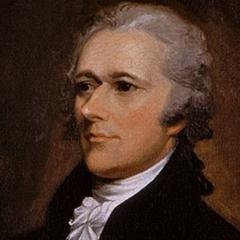
Alexander Hamilton
Alexander Hamilton was a Founding Father of the United States, born on January 11, 1757, and died on July 12, 1804. He played a crucial role in the American Revolutionary War and was instrumental in the drafting of the U.S. Constitution. As the first Secretary of the Treasury, Hamilton promoted fiscal stability and economic growth, establishing the First Bank of the United States and proposing solutions for federal debt. His ideas and policies had a profound impact on the early political and economic development of the United States. more
You May Also Like
“Those who have a tolerable knowledge of human nature will not stand in need of such lights.”
Source: The Federalist, on the New Constitution, Written in the Year 1788
Source: The Political Writings of John Dickinson, Esquire: Late President of the State of Delaware, and of the Commonwealth of Pennsylvania
Source: The writings of Thomas Jefferson: being his autobiography, correspondence, reports, messages, addresses, and other writings, official and private : published by the order of the Joint Committee of Congress on the Library, from the original manuscripts, deposited in the Department of State
Source: Memoir, correspondence, and miscellanies from the papers of T. Jefferson
Source: The Federalist: With Letters of Brutus
Source: The Federalist, on the New Constitution, Written in the Year 1788
Source: The Essential Federalist: A New Reading of the Federalist Papers
Source: Washington's Farewell Address to the People of the United States