“A writer who obtains his full purpose loses himself in his own lustre.”
Quote by Samuel Johnson
Work
The beauties of Johnson: choice selections from his works
The book is a curated selection of Johnson's writings, offering readers a glimpse into his extensive and varied literary contributions. more
Author
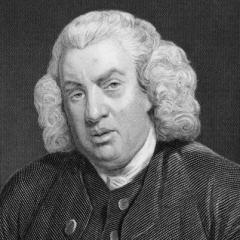
Samuel Johnson
Samuel Johnson was an English writer, poet, and lexicographer, renowned for his comprehensive English dictionary, 'A Dictionary of the English Language', published in 1755. His distinctive writing style and wit have cemented his place as a significant figure in the history of English literature. more
You May Also Like
Source: The works of the English poets, from Chaucer to Cowper
Source: The Lives of the English Poets
Source: The Lives of the Most Eminent English Poets: With Critical Observations on Their Works
“Allegories drawn to great length will always break.”
Source: Johnson's Lives of the British poets completed by W. Hazlitt
Source: Lives of the Most Eminent English Poets: With Critical Observations on Their Works
Source: The Works of the English Poets, from Chaucer to Cowper: Including the Series Edited with Prefaces, Biographical and Critical
Source: Lives of the Most Eminent English Poets: With Critical Observation on Their Works
Source: The works of Samuel Johnson, LL.D.: Together with his life, and notes on his Lives of the poets, by Sir John Hawkins, Knt. In eleven volumes ...
Source: The Works of Samuel Johnson, LL.D..: The Adventurer and Idler
“There seems to be a strange affectation in authors of appearing to have done everything by chance.”
Source: Lives of the most eminent English poets, with critical observations on their works. With notes by P. Cunningham