“There was about all the Romans a heroic tone peculiar to ancient life. Their virtues were great and noble, and these virtues madethem great and noble. They possessed a natural majesty that was not put on and taken off at pleasure, as was that of certain eastern monarchs when they put on or took off their garments of Tyrian dye. It is hoped that this is not wholly lost from the world, although the sense of earthly vanity inculcated by Christianity may have swallowed it up in humility.”
Quote by Herman Melville
Work
Tales, Poems, and Other Writings
This volume encompasses a variety of narrative and lyrical works, showcasing the author's versatility in storytelling and verse. more
Author
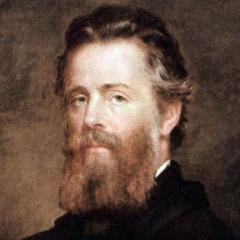
Herman Melville
Herman Melville was a renowned 19th-century American novelist known for his profound psychological descriptions and unique literary style. His masterpiece, 'Moby-Dick', is considered a classic of American literature. more
You May Also Like
Source: Mardi: and A Voyage Thither: Works of Melville
“Time is made up of various ages; and each thinks its own a novelty.”
Source: Mardi: And a Voyage Thither
Source: Piazza Tales and Other Prose Pieces, 1839-1860: Volume Nine, Scholarly Edition
Source: White-jacket: or, The world in a man-of-war
Source: Delphi Complete Works of Herman Melville (Illustrated)
Source: Herman Melville: Typee, Omoo, Mardi
Source: Selected Poems (Melville, Herman)
Source: Pierre or The Ambiguities
Source: Pierre: Or, the Ambiguities
Source: Redburn.His First Voyage