“A holiday in a new dresscan earth offer anything more enchanting?”
Quote by O. Henry
Work
Delphi Complete Works of O. Henry (Illustrated)
This volume gathers the complete literary output of O. Henry, the American short story writer known for his wit, wordplay, and surprise endings. The collection includes his most famous tales such as 'The Gift of the Magi' and 'The Ransom of Red Chief,' alongside lesser-known stories. The illustrated edition features visual accompaniments that complement the text, offering readers a fuller experience of O. Henry's early 20th-century New York City settings and character-driven narratives. The book serves as a reference for fans and scholars seeking the entirety of his published fiction in one place. more
Author
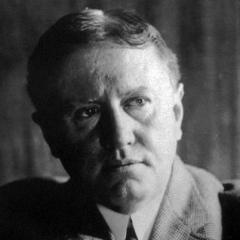
O. Henry
O. Henry, born William Sydney Porter, was a renowned American short story writer known for his unexpected twists and humorous style. His works, characterized by surprise endings and wit, are celebrated as a cornerstone of American short story literature. O. Henry was born in North Carolina and had a tumultuous life, working in various jobs including a cotton plantation laborer and a silver mine worker in Mexico. He was imprisoned for fraud and it was during his time in jail that he began writing, publishing numerous short stories. His stories covered a wide range of themes, including love, friendship, family, and social issues. more
You May Also Like
Source: The Complete Poetry of O. Henry (Including a Biography of the Author): From the American writer, a master of short stories, known for The Gift of the Magi, Cabbages and Kings, The Cop and the Anthem, Options, Roads of Destiny, The Four Million…
Source: Delphi Complete Works of O. Henry (Illustrated)
Source: 100 Selected Stories
Source: Delphi Complete Works of O. Henry (Illustrated)
Source: Delphi Complete Works of O. Henry (Illustrated)
“Broadway - the great sluice that washes out the dust of the gold-mines of Gotham.”
Source: Collected Works
Source: The Complete Works Of O. Henry
Source: The Gift of the Magi and Other Short Stories
Source: The Life and Speeches of Hon. Wm. Jennings Bryan
Source: The First Battle: A Story of the Campaign of 1896