“95% of Economics is common sense deliberately made complicated.”
Quote by Ha-Joon Chang
Author
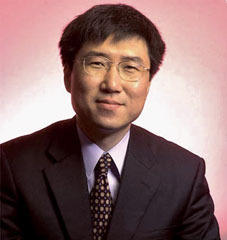
Ha-Joon Chang
Ha-Joon Chang is a Korean-born economist known for his research on development economics and issues of globalization. His works, such as '23 Billion People's Challenge' and 'Kicking Away the Ladder', challenge traditional development theories and propose new models of development. more
You May Also Like
“Low inflation and government prudence may be harmful for economic development.”
Source: Bad Samaritans: The Myth of Free Trade and the Secret History of Capitalism
Source: Bad Samaritans: The Myth of Free Trade and the Secret History of Capitalism
Source: Bad Samaritans: The Myth of Free Trade and the Secret History of Capitalism
Source: Bad Samaritans: rich nations, poor policies, and the threat to the developing world
Source: Bad Samaritans: The Guilty Secrets of Rich Nations and the Threat to Global Prosperity
Source: Bad Samaritans: The Guilty Secrets of Rich Nations and the Threat to Global Prosperity
Source: Bad Samaritans: The Myth of Free Trade and the Secret History of Capitalism
“History is on the side of the regulators.”
Source: Bad Samaritans: The Myth of Free Trade and the Secret History of Capitalism