“Give not thyself up, then, to fire, lest it invert thee, deaden thee, as for the time it did me. There is a wisdom that is woe; but there is a woe that is madness.”
Book:Moby Dick
“Give not thyself up, then, to fire, lest it invert thee, deaden thee, as for the time it did me. There is a wisdom that is woe; but there is a woe that is madness.”
Moby Dick is a profound and complex novel that explores themes of obsession, fate, and the human condition. The story is narrated by Ishmael, a young man who signs on as a crew member of the Pequod, a whaling ship captained by the obsessed Ahab. The journey is fraught with danger and moral dilemmas, as the crew faces the perils of the sea and the relentless pursuit of their nemesis. The novel is renowned for its vivid descriptions of the ocean and its creatures, as well as its philosophical and existential musings. more
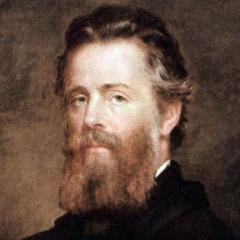
Herman Melville was a renowned 19th-century American novelist known for his profound psychological descriptions and unique literary style. His masterpiece, 'Moby-Dick', is considered a classic of American literature. more
“Being in love is a very strange thing.”
“We must put effort and energy into anything we wish to change.”