“Genius only leaves behind it the monuments of its strength.”
Quote by William Hazlitt
Work
The Plain Speaker: Opinions on Books, Men, and Things
This book is a compilation of essays that delve into the author's opinions and insights on a wide range of topics, including books, notable individuals, and societal issues. The essays are characterized by their straightforward and candid nature, providing readers with a glimpse into the author's thought process and analysis. more
Author
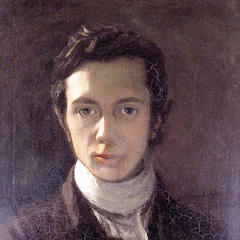
William Hazlitt
William Hazlitt, born on April 10, 1778, was an influential English essayist and literary critic. His works are renowned for their sharp observations and profound insights, which have had a lasting impact on 19th-century British literature. more
You May Also Like
Source: Delphi Collected Works of William Hazlitt (Illustrated)
Source: The Round Table. A collection of Essays ... By W. H. and Leigh Hunt
Source: Table talk
“The look of a gentleman is little else than the reflection of the looks of the world.”
Source: Sketches and Essays: And Winterslow (essays Written There).
“Men of gravity are intellectual stammerers, whose thoughts move slowly.”
“The truth is, we pamper little griefs into great ones, and bear great ones as well as we can.”
Source: Delphi Collected Works of William Hazlitt (Illustrated)
Source: Delphi Collected Works of William Hazlitt (Illustrated)