“Visions of glory, spare my aching sight! Ye unborn ages, crowd not on my soul!”
Quote by Thomas Gray
Work
The poems, with critical notes, a life of the author, and an essay on his poetry, by J. Mitford
This volume represents a typical format of literary scholarship from the Victorian era, presenting a comprehensive collection of poems by a single author along with editorial apparatus designed to aid readers in understanding both the text and its context. The work includes extensive critical notes, likely offering explanations of difficult passages, textual variants, and historical references. The biographical section provides an account of the poet's life, drawn from public record and documented sources. Additionally, the volume contains an essay offering analytical commentary on the poetic style, themes, and artistic achievements. The editor, J. Mitford, was active during the nineteenth century and contributed to the preservation and presentation of classical English poetry through such annotated editions, making the works accessible to contemporary readers while providing scholarly context for literary study. more
Author
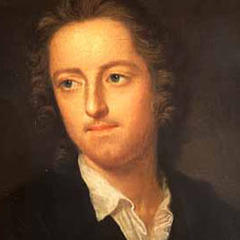
Thomas Gray
Thomas Gray, a prominent English poet, was born on December 26, 1716, in London, and died on July 30, 1771. He is considered one of the representative figures of 18th-century English literature, known for his lyric poetry and satirical works. more
You May Also Like
Source: Skillful means
Source: Uh-Oh: Some Observations from Both Sides of the Refrigerator Door
Source: Dumbocracy in America: Studies in the Theatre of Guilt, 1987-1994
“Nothing ages so quickly as yesterday's vision of the future.”
Source: The Notebooks of Paul Brunton: Perspectives (posthumous)
Source: God Talks With Arjuna