“Why should all virtue work in one and the same way? Why should all give dollars? It is very inconvenient to us country folk, and we do not think any good will come of it. We have not dollars; merchants have; let them give them. Farmers will give corn; poets will sing; women will sew; laborers will lend a hand; the children will bring flowers.”
Quote by Ralph Waldo Emerson
Work
The Spiritual Emerson: Essential Works by Ralph Waldo Emerson
This book presents a curated collection of Ralph Waldo Emerson's most significant works, exploring his profound insights into spirituality, self-reliance, and the nature of the human experience. more
Author
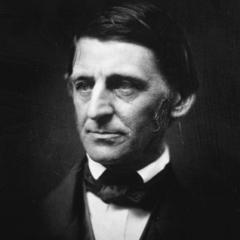
Ralph Waldo Emerson
American essayist, poet, and philosopher. Born on May 25, 1803, and died on April 27, 1882. Known for his transcendentalist philosophy, his works have had a profound impact on literature and the intellectual world. more
You May Also Like
Source: The Selected Lectures of Ralph Waldo Emerson
Source: The Collected Works of Ralph Waldo Emerson: Society and solitude
Source: Essays
Source: The Essential Writings of Ralph Waldo Emerson
Source: Delphi Complete Works of Ralph Waldo Emerson (Illustrated)
Source: Ralph Waldo Emerson
Source: The Conduct of Life
Source: The Selected Works of Ralph Waldo Emerson