“The fact is that the average man's love of liberty is nine-tenths imaginary, exactly like his love of sense, justice and truth... Liberty is not a thing for the great masses of men. It is the exclusive possession of a small and disreputable minority, like knowledge, courage and honor. It takes a special sort of man to understand and enjoy liberty - and he is usually an outlaw in democratic societies.”
Quote by H. L. Mencken
Author
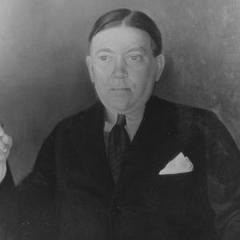
H. L. Mencken
H. L. Mencken was an American journalist, essayist, satirist, cultural critic, and scholar of American English. Born on September 12, 1880, and passing away on January 29, 1956, Mencken is renowned for his significant contributions to American culture and language, particularly through his satirical essays and critical analyses of the American establishment. more
You May Also Like
“You suffer as an actor. It's difficult to be an actor and live a good life, especially today.”
“The Free Market is Mother Nature's way of organizing economic activity.”
“Government has a monopoly on the legal use of force and violence.”
Source: The Papers of Thomas Jefferson, Volume 31: 1 February 1799 to 31 May 1800
Source: The Works of Dr. Benjamin Franklin: [Autobiography
“Which is better: to achieve Nirvana, or become a Boddhissatva?”
Source: How We Think: Top American Authors