“Besides, our nearness to the King in love Is near the hate of those love not the King.”
Quote by William Shakespeare
Work
King Richard II: Third Series
This book is part of a series that delves into the life and times of King Richard II, offering a detailed exploration of his rule and the political landscape of England during the 14th century. more
Author
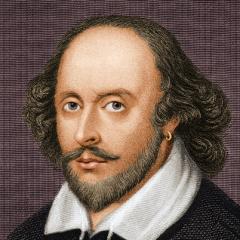
William Shakespeare
William Shakespeare (1564 - April 23, 1616) was one of the greatest poets of the English Renaissance, renowned for his dramatic works. His plays spanned a variety of genres, including tragedy, comedy, and history, and have had a profound impact on literature worldwide. more
You May Also Like
“If you be King, why should not I succeed?”
Source: Rose Rage: Adapted from Shakespeare's Henry VI Plays
Source: Select Plays of William Shakespeare: With the Corrections & Illustrations of Various Commentators
“Strong reasons make strong actions let us go If you say ay, the king will not say no.”
Source: The plays of William Shakespeare ...: With the corrections and illustrations of various commentators
Source: Henry V. King Henry VI, part 1. King Henry VI, part 2. King Henry VI, part 3. King Richard III. King Henry VIII. Troilus and Cressida. Timon of Athens. Coriolanus. Julius Caesar. Antony and Cleopatra. Cymbeline. Titus Andronicus. Pericles. King Lear. Romeo and Juliet. Hamlet. Othello
“O King, believe not this hard-hearted man!”
Source: Histories of Shakespeare in Plain and Simple English (a Modern Translation and the Original Version)
Source: The Complete Works of William Shakespeare: Comprising His Dramatic and Poetical Works
Source: The Pictorial Edition of the Works of Shakspere: Comedies / ... Shakspere
“One tends to give one's fingers too little credit for their own good sense.”