“Knowledge becomes evil if the aim be not virtuous.”
Quote by Plato
Author
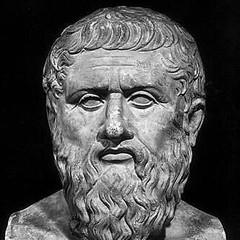
Plato
Plato (428 BC - 348 BC) was a prominent Greek philosopher, one of the most influential figures in Western philosophy. He founded the Academy, which was the first institution of higher education in the Western world. Plato's philosophy, centered around the theory of Forms, emphasized the importance of reason and morality. more
You May Also Like
Source: The Republic of Plato, Translated Into English, with an Introduction, Analysis, and Notes. By J. Ll. Davies and D. J. Vaughan
Source: The Republic of Plato, Translated Into English, with an Introduction, Analysis, and Notes. By J. Ll. Davies and D. J. Vaughan
Source: The Republic of Plato, tr. with an analysis and notes, by J.L. Davies and D.J. Vaughan
Source: Theaetetus, Sophist
“Science is nothing but perception.”
Source: Wit and Wisdom of Socrates, Plato, Aristotle: Being a Treasury of Thousands of Glorious, Inspiring and Imperishable Thoughts, Views and Observations of the Three Great Greek Philosophers, Classified Under about Four Hundred Subjects for Comparative Study
Source: Republic
Source: The Republic of Plato, tr. with an analysis and notes, by J.L. Davies and D.J. Vaughan
“The excessive increase of anything causes a reaction in the opposite direction.”