“I was born on a tiny cot in southwestern Massachusetts during World War II. A sickly child, I turned to photography to overcome my loneliness and isolation.”
Quote by William Wegman
Work
William Wegman: Funney/strange
This book showcases a selection of William Wegman's distinctive photographs, known for their playful and often absurd imagery. Wegman's work is characterized by its whimsical style and the use of his Weimaraner dogs as subjects. The images in this volume span various themes and techniques, offering a glimpse into the artist's creative process and unique vision. more
Author
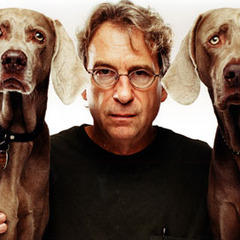
William Wegman
William Wegman, born on December 2, 1943, is an American artist renowned for his unique photography and video works. His art often centers around his pet dog Man Ray. Known for his humor, satire, and surrealistic elements, Wegman's work has had a profound impact on contemporary art. more
You May Also Like
Source: William Wegman, l'oeuvre photographique
Source: Wegman's world: 5 December 1982 to 16 January 1983, Walker Art Center
“I get so confused about life photography art.”
Source: William Wegman: Funney/strange
Source: William Wegman: Funney/strange