Quotessence
Home / Quotes / Quote by Vladimir Nabokov

Quote by Vladimir Nabokov

Work

Pale fire

Pale Fire is a 1962 novel by Vladimir Nabokov written as a long poem in four sections followed by a detailed commentary. The poem titled Pale Fire is attributed to the fictional poet John Shade, while the extensive notes are attributed to Charles Kinbote, a neighbor and self-proclaimed friend of Shade. The narrative structure creates profound ambiguity about what actually occurred, as the commentary increasingly reveals biases, inconsistencies, and personal preoccupations that conflict with the poem's surface meaning. The book explores themes of artistic creation, the nature of interpretation, exile from a lost homeland, and the fragility of meaning-making in the face of death. It is considered one of the most innovative novels of the twentieth century. more
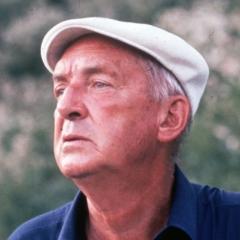
Author

Vladimir Nabokov
Vladimir Nabokov

Russian-born American novelist, best known for his novel 'Lolita'. Nabokov is renowned for his unique literary style and profound use of language and symbolism. more

You May Also Like

“All the times, all the very many times, I had been forced to thwart and stifle my own nature seemed to gather together then, in that hot and dismal corridor. I heard a rushing sound in my head and felt a pressure in my breast, like floodwaters rising behind a flimsy dike. Before I knew I did it, the soup bowl was rising in my hand as if elevated by some supernatural force. Then, its yellow-gray contents were running down the nurse's pudgy face.”

“It is the earliest dream that I can remember, earlier than the witch at the corner of the nursery passage, this dream of something outside that has got to come in. The witch, like the masked dancers, has form, but this is simply power, a force exerted on a door, an influence that drifted after me upstairs and pressed against windows.”

“Mercedes nursed a special grievance - the grievance of sex. She was pretty and soft, and had been chivalrously treated all her days. But the present treatment by her husband and brother was everything save chivalrous. It was her custom to be helpless. They complained. Upon which impeachment of what to her was her most essential sex pregorative, she made their lives unendurable.”

“Whiles in the early Winter eve We pass amid the gathering night Some homestead that we had to leave Years past; and see its candles bright Shine in the room beside the door Where we were merry years agone But now must never enter more, As still the dark road drives us on. E'en so the world of men may turn At even of some hurried day And see the ancient glimmer burn Across the waste that hath no way; Then with that faint light in its eyes A while I bid it linger near And nurse in wavering memories The bitter-sweet of days that were.”