Quotessence
Home / Quotes / Quote by John Ruskin

Quote by John Ruskin

Work

The Crown of Wild Olive

This book delves into the complexities of nature and the human struggle for power, intertwining elements of ancient myths and the natural world. more

Author
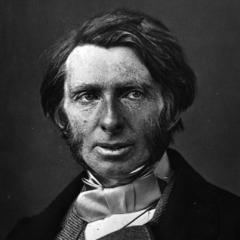
John Ruskin
John Ruskin

John Ruskin was an influential British art critic, writer, and social critic. Known for his profound insights into art, architecture, and social issues, he had a significant impact on the aesthetics and culture of the Victorian era. more

You May Also Like

“Our respect for the dead, when they are just dead, is something wonderful, and the way we show it more wonderful still. We show it with black feathers and black horses; we show it with black dresses and black heraldries; we show it with costly obelisks and sculptures of sorrow, which spoil half of our beautiful cathedrals. We show it with frightful gratings and vaults, and lids of dismal stone, in the midst of the quiet grass; and last, and not least, we show it by permitting ourselves to tell any number of falsehoods we think amiable or credible in the epitaph.”

“As long as there are cold and nakedness in the land around you, so long can there be no question at all but that splendor of dress is a crime. In due time, when we have nothing better to set people to work at, it may be right to let them make lace and cut jewels; but as long as there are any who have no blankets for their beds, and no rags for their bodies, so long it is blanket-making and tailoring we must set people to work at, not lace.”

“We are foolish, and without excuse foolish, in speaking of the superiority of one sex to the other, as if they could be compared in similar things! Each has what the other has not; each completes the other; they are in nothing alike and the happiness and perfection of both depend on each asking and receiving from the other what the other only can give.”

“God shows us in Himself, strange as it may seem, not only authoritative perfection, but even the perfection of obedience--an obedience to His own laws; and in the cumbrous movement of those unwieldiest of his creatures we are reminded, even in His divine essence, of that attribute of uprightness in the human creature "that sweareth to his own hurt and changeth not.”

“But if, indeed, there be a nobler life in us than in these strangely moving atoms; if, indeed, there is an eternal difference between the fire which inhabits them, and that which animates us,--it must be shown, by each of us in his appointed place, not merely in the patience, but in the activity of our hope, not merely by our desire, but our labor, for the time when the dust of the generations of men shall be confirmed for foundations of the gates of the city of God.”