“And Tracy was young, just twenty, still wet behind the ears, and the old blinders were on him so he couldn't really see what was around and he believed the bull about freedomofopportunity and a chancetorise and ifyoureallywanttoworkyoucanalwaysfindajob and ruggedindividualism and something about pursuitofhappiness.”
Quote by Tillie Olsen
Author
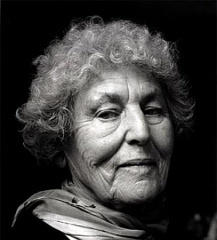
Tillie Olsen
Tillie Olsen (January 14, 1912 – January 1, 2007) was an American writer, feminist activist, and social critic. She is best known for her short story collection Tell Me a Riddle and her essay Silences, which focus on working-class women, motherhood, and the silences imposed on artistic creation. Born to Jewish immigrant parents in Omaha, Nebraska, Olsen left school at age 15 due to poverty and worked various manual jobs. Her writing career began late, but her profound depictions of marginalized lives made her a significant voice in 20th-century American literature. Her work influenced feminist literary criticism and inspired many women writers. more
You May Also Like
Source: In Our Time: The Issues and The People of Our Century
Source: The Palace at the End of the Sea
Source: Makeshift & Hunger March: Two Novels
Source: The Shipbuilders
Source: Janice Everet: a southern gothic Jane Eyre retelling
Source: Clara's Kitchen: Wisdom, Memories, and Recipes from the Great Depression
Source: The Forgotten Man: A New History of the Great Depression
“Only if we understand our past, can we move forward to a brighter future.”
Source: Reflections of Liberty: Memoir by Barbara Post-Askin
Source: Fight Club
Source: Franklin D. Roosevelt and the New Deal, 1932-1940