“Yet [the Crown's] electors could have no idea of giving hereditary right to his descendants, because such a perpetual exclusion of themselves was incompatible with the free and restrained principles they professed to live by. Wherefore, hereditary succession in the early ages of monarchy could not take place as a matter of claim, but as something casual or complemental; but as few or no records were extant in those days, the traditionary history stuff'd with fables, it was very easy, after the lapse of a few generations, to trump up some superstitious tale conveniently timed, Mahomet-like, to cram hereditary right down the throats of the vulgar. Perhaps the disorders which threatened, or seemed to threaten, on the decease of a leader and the choice of a new one (for elections among ruffians could not be very orderly) induced many at first to favour hereditary pretensions; by which means it happened, as it hath happened since, that what at first was submitted to as a convenience was afterwards claimed as a right.”
Quote by Thomas Paine
Book:Common Sense
Work
Common Sense
Written by Thomas Paine, this influential pamphlet argues for the natural rights of individuals and the necessity of a democratic government, significantly impacting the American Revolution. more
Author
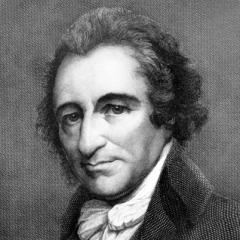
Thomas Paine
Thomas Paine, born on February 9, 1737, and died on June 8, 1809, was a prominent American writer, political figure, and philosopher during the American Revolutionary War. He is renowned for his radical democratic ideas and his contributions to the American independence movement. more
You May Also Like
Source: Signs of A River
Source: Deliverance to the Captives
Source: Making a Meal of It: Rethinking the Theology of the Lord's Supper
Source: ONE: Unfolding God's Eternal Purpose from House to House
Source: The Reformation
Source: Egyptian Oedipus: Athanasius Kircher and the Secrets of Antiquity
Source: Europe and the Faith
Source: Escape from Freedom