Quotessence
Home / Quotes / Quote by Gustave Flaubert

Quote by Gustave Flaubert

“Nessuno, mai, riesce a dare l'esatta misura di ciò che pensa, di ciò che soffre, della necessità che lo incalza, e la parola umana è spesso come un pentolino di latta su cui andiamo battendo melodie da far ballare gli orsi mentre vorremmo intenerire le stelle.”

Quote by Gustave Flaubert

Work

madame bovary

Gustave Flaubert's Madame Bovary is a seminal work of 19th-century French literature. The novel follows the life of Emma Bovary, a woman who is discontent with her provincial life and marries Charles Bovary, a dull and unambitious country doctor. Emma's dissatisfaction leads her to seek fulfillment through romantic escapades and extramarital affairs, ultimately leading to disaster. Flaubert's meticulous attention to detail and his exploration of themes such as social class, materialism, and the human condition have made this novel a classic of world literature. more

Author

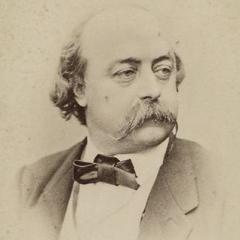
Gustave Flaubert
Gustave Flaubert

Gustave Flaubert, born on December 12, 1821 and died on May 8, 1880, was a prominent French writer of the 19th century. Known for his exquisite literary skills and profound psychological portrayals, Flaubert is best remembered for his masterpiece 'Madame Bovary'. more

You May Also Like

“It's always the same old pitfall: neither evil or the imagination. In the former, in the final center, the simple and adjectiveless feeling, blind as a rolling stone. In the imagination, for it alone has the power of evil, just the enlarged and transformed version: beneath it the impassive truth. You lie and stumble into the truth. Even in her freedom, when she chose cheerful new paths, she later recognized them. To be free was to carry on after all and there again was the beaten track. She would only see what was already inside her. Having lost the taste for imagining.”

“We’re reaching a point in human history, where we will have to reimagine imagination itself. The boundaries of what the human mind could fathom, even just a few short years ago, are changing and extending. As the landscape shifts, we will need a new cartography and new skills to go with it.”