“George is very far, right now, from sneering at any of these fellow creatures. They may be crude and mercenary and dull and low, but he is proud, is glad, is almost indecently gleeful to be able to stand up and be counted in their ranks—the ranks of that marvelous minority, The Living. They don't know their luck, these people on the sidewalk, but George knows his—for a little while at least—because he is freshly returned from the icy presence of The Majority, which Doris is to join. I am alive, he says to himself, I am alive! And life-energy surges hotly through him, and delight, and appetite. How good to be in a body—even this beat-up carcass—that still has warm blood and semen and rich marrow and wholesome flesh! The scowling youths on the corners see him as a dodderer no doubt, or at best as a potential score. Yet he claims a distant kinship with the strength of their young arms and shoulders and loins. For a few bucks he could get any one of them to climb into the car, ride back with him to his house, strip off butch leather jacket, skin-tight Levi's, shirt and cowboy boots and take a naked, sullen young athlete, in the wrestling bout of his pleasure. But George doesn't want the bought unwilling bodies of these boys. He wants to rejoice in his own body—the tough triumphant old body of a survivor. The body that has outlived Jim and is going to outlive Doris.”
Quote by Christopher Isherwood
Book:A single man
Work
A single man
A Single Man is a deeply moving narrative that delves into the complexities of grief and the search for meaning in the aftermath of loss. The story follows George Falconer, a middle-aged English professor, as he grapples with the profound impact of his partner's death on his life. The novel is known for its introspective and lyrical prose, offering a raw and honest portrayal of the human condition in the face of tragedy. more
Author
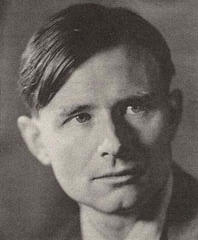
Christopher Isherwood
Christopher Isherwood is a renowned British novelist known for his profound portrayals of life in London and Berlin during the mid-20th century. His works often explore social change, personal identity, and moral dilemmas. more
You May Also Like
Source: The East Indian
Source: Letter to His Father
Source: The Orchard
Source: Starfish
Source: Professor Moriarty: The Hound of the D'Urbervilles
Source: Un Lun Dun