“I awoke in a cold room, hunched on the floor beside a black and empty grate, the clock striking three, and the siren howling overhead.”
Quote by C. S. Lewis
Author
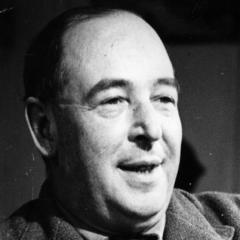
C. S. Lewis
C. S. Lewis was a British novelist, academic, and Christian theologian. He is renowned for his fictional works, particularly The Chronicles of Narnia, a series of fantasy novels that have become a beloved classic of children's literature. Lewis also penned adult fiction, including the science fiction trilogy Out of the Silent Planet and the space trilogy. His non-fiction works, such as Mere Christianity and The Problem of Pain, have had a significant impact on Christian thought and spirituality. more
You May Also Like
Source: Dear Son: An Imaginary Letter from a Loving Dad
“We cannot educate the citizens of tomorrow based on the requirements of yesterday.”
Source: Every Generation Needs Caretakers: The Gospel of Patriotism
“This was not the last time I was to spoil my own fun by asking questions.”
Source: I Learn from Children
Source: I Learn from Children
Source: Dear Son: An Imaginary Letter from a Loving Dad
Source: My Fine Fellow
Source: I Learn from Children
Source: I Learn from Children
“When you keep seeking to improve, you will never get bored with your craft.”
Source: Experience And Education