“Above all the studies in the world, study your own hearts; waste not a minute more of your precious time about frivolous & unsubstantial controversies. My dear flock, I have, according to the grace given me, labored in the course of my ministry among you, to feed you with the heart strengthening bread of practical doctrine, and I do assure you, it is far better you should have the sweet and saving impressions of gospel truths, feelingly and powerfully conveyed to your hearts, than only to understand them by a bare ratiocination, or a dry syllogistical inference. Leave trifling studies to such as have time lying on their hands and know not how to employ it. Remember you are at the door of eternity, and have other work to do. Those hours you spend upon heart-work in your closets, are the golden spots of all your time and will have the sweetest influence up to your last hour.”
Quote by John Flavel
Author
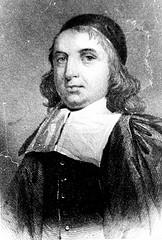
John Flavel
John Flavel (1627-1691) was a prominent English author and theologian, whose works hold a significant place in Puritan literature. He is best known for his book 'The Mystery of Providence,' which explores the role of God in human life. more
You May Also Like
Source: Holy Bible: New International Version
Source: Religion: The Ultimate STD: Living a Spiritual Life without Dogmatics or Cultural Destruction
Source: Evolving in Monkey Town: How a Girl Who Knew All the Answers Learned to Ask the Questions
Source: Adopted Like Me- Chosen to Search for a Birthmother
Source: Church Dogmatics 1.2: The Doctrine of the Word of God
“Even if it's not appreciated, do your best. Integrity will take you further than acknowledgement.”