“The quarrel between science and religion, then, is not a matter of how universe came about, or which approach can provide the best "explanation" for it. It is a disagreement about how far back one has to go, though not in the chronological sense. For theology, science does not start far back enough - not in the sense that it fails to posit a Creator, but in the sense that it does not ask questions such as why there is anything in the first place, or why what we do have is actually intellible to us. Perhaps these are phony questions anyway; some philosophers certainly think so. But theologians, as Rowan Williams has argued, are interested in the question of why we ask for explanations at all, or why we assume that the universe hangs together in a way that makes explanations possible. Where do our notions of explanation, regularity, and intelligibility come from? How do we explain rationality and intelligibility themselves, or is this question either superfluous or too hard to answer? Can we not account for rationality because to do so is to presuppose it? Whatever we think of such queries, science as we know it is possible only because the world displays a certain internal order and coherence - possible, that is to say, for roughly aesthetic reasons.”
Quote by Terry Eagleton
Work
Reason, Faith, and Revolution: Reflections on the God Debate
Browse quotes and source details for this work. more
Author
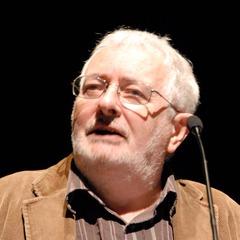
Terry Eagleton
Terry Eagleton is a renowned British literary critic, known for his research on Marxist literary theory. His work spans a wide range of literary and theoretical topics, influencing cultural studies and political commentary as well. more
You May Also Like
Source: The Gift of Fire
“Faith is the acknowledgement of the supremacy of the Almighty God as the Creator of the Universe.”
Source: The Essence of Faith: Daily Inspirational Quotes
Source: A Manual for Victory
“When you feel like giving up, have faith and the Creator of the Universe will help you to rise.”
Source: The Essence of Faith: Daily Inspirational Quotes
Source: Genesis
Source: The Goodbye Song
“I Choose Happiness Each Day, Every Minute. Universe Will Help Me To Be Happy.”
Source: Affirmations: a daily handbook