Quotessence
Home / Quotes / Quote by William Goldman

Quote by William Goldman

“And when she at last came out, her eyes were dry. Her parents stared up from their silent breakfast at her. They both started to rise but she put a hand out, stopped them. ‘I can care for myself, please,’ and she set about getting some food. They watched her closely. In point of fact, she had never looked as well. She had entered her room as just an impossibly lovely girl. The woman who emerged was a trifle thinner, a great deal wiser, and an ocean sadder. This one understood the nature of pain, and beneath the glory of her features, there was character, and a sure knowledge of suffering. She was eighteen. She was the most beautiful woman in a hundred years. She didn’t seem to care. ‘You’re all right?’ her mother asked. Buttercup sipped her cocoa. ‘Fine,’ she said. ‘You’re sure?’ her father wondered. ‘Yes,’ Buttercup replied. There was a very long pause. ‘But I must never love again.’ She never did.”

Quote by William Goldman

Work

The Princess Bride

This novel is a blend of fantasy, humor, and romance, telling the tale of a farm boy named Westley and his beloved princess, Buttercup. After being betrothed to a prince, Buttercup is captured by a notorious pirate, and Westley sets out to rescue her. The story is filled with memorable characters, including the feisty Inigo Montoya, who seeks revenge on the man who killed his father. The Princess Bride is known for its witty dialogue, endearing characters, and a unique blend of genres, appealing to both children and adults. more

Author
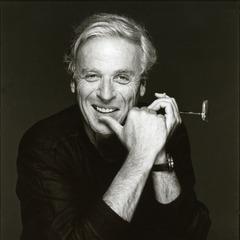
William Goldman
William Goldman

William Goldman is an American novelist born on August 12, 1931. His works are known for their humor, wit, and profound social insight, with notable titles including 'The Maltese Falcon' and 'The Shawshank Redemption'. more

You May Also Like

“Ava was almost twenty-six, on her own, in a decent and mostly stable relationship, eternally grateful to be away from Jeffrey Hoffman’s clutches. Hoffman had held her captive for just over four years until she escaped that life at eighteen. In the first few years of her escape, she’d had as much therapy as she could tolerate, preferring to get on with things.”

“And I do talk a lot, obviously, about my clients; those are the people I have to advocate for, and when I say that each of us is more than the worst thing we’ve ever done, I am thinking specifically about them. But I’m also thinking about everybody else. I mean, I believe that for every human being. I think if someone tells a lie, they’re not just a liar, that if someone takes something, they’re not just a thief. If you kill someone, you’re not just a killer. But it’s also true, a nation that committed genocide against Indigenous people, a nation that enslaved Black people for two and a half centuries, a nation that tolerated mob lynchings for nearly a century, a nation that created apartheid and segregation laws throughout most of the 20th century, can also be more than that racist history suggests.”

“There are, within the spheres of all our influences, opportunities to rise to singularly crafted occasions. The nature of these, for each of us, are in direct correlation to how we live our lives, what we value, and who populates our worlds. The potential to advance or squander these opportunities is born of the social and emotional topography of our individual lives. Yours cannot be mine. And mine are meant for me.”

“I would define reconcile as means of closing the wound and allowing it to heal. The scars will be there to remind you that you were once hurt. But the pain of the wound will be gone. If we don’t reconcile. It means we are not allowing the wound to heal. We will experience the pain every day . Even if the people who hurt us are no longer there or no longer hurting us. Let us reconcile, so we can no longer feel the pain and hurt. But most importantly . Let us reconcile so we can build our families, communities, societies, nation and our countries.”