Quotessence
Home / Quotes / Quote by James Sallis

Quote by James Sallis

Work

Eye of the Cricket

Browse quotes and source details for this work. more
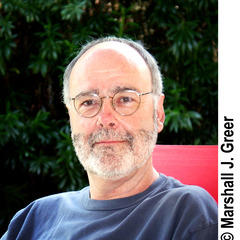
Author

James Sallis
James Sallis

James Sallis, born on December 21, 1944, is an American writer known for his unique narrative style and profound philosophical insights. His works span across various genres including novels, short stories, poetry, and plays, earning him widespread acclaim and numerous literary awards. more

You May Also Like

“As usual, Terpsichore, whom the girls called Ree, could not keep still. She twisted back and forth, moving her arms as if they were blowing in the wind. Mnemosyne's fierce little dancer had learned to perform before she learned to walk and had gracefully glided through life ever since. Terpsichore's energy and enthusiasm annoyed her sisters, but where was the fun in creating a family that always got along?”

“Chicago, Illinois 1896 Opening Night Wearing her Brünnhilda costume, complete with padding, breastplate, helm, and false blond braids, and holding a spear as if it were a staff, Sophia Maxwell waited in the wings of the Canfield-Pendegast theatre. The bright stage lighting made it difficult to see the audience filling the seats for opening night of Die Walküre, but she could feel their anticipation build as the time drew near for the appearance of the Songbird of Chicago. She took slow deep breaths, inhaling the smell of the greasepaint she wore on her face. Part of her listened to the music for her cue, and the other part immersed herself in the role of the god Wotan’s favorite daughter. From long practice, Sophia tried to ignore quivers of nervousness. Never before had stage fright made her feel ill. Usually she couldn’t wait to make her appearance. Now, however, nausea churned in her stomach, timpani banged pain-throbs through her head, her muscles ached, and heat made beads of persperation break out on her brow. I feel more like a plucked chicken than a songbird, but I will not let my audience down. Annoyed with herself, Sophia reached for a towel held by her dresser, Nan, standing at her side. She lifted the helm and blotted her forehead, careful not to streak the greasepaint. Nan tisked and pulled out a small brush and a tin of powder from one of the caprious pockets of her apron. She dipped the brush into the powder and wisked it across Sophia’s forehead. “You’re too pale. You need more rouge.” “No time.” A rhythmic sword motif sounded the prelude to Act ll. Sophia pivoted away from Nan and moved to the edge of the wing, looking out to the scene of a rocky mountain pass. Soon the warrior-maiden Brünnhilda would make an appearance with her famous battle cry. She allowed the anticpaptory energy of the audience to fill her body. The trills of the high strings and upward rushing passes in the woodwinds introduced Brünnhilda. Right on cue, Sophia made her entrance and struck a pose. She took a deep breath, preparing to hit the opening notes of her battle call. But as she opened her mouth to sing, nothing came out. Caught off guard, Sophia cleared her throat and tried again. Nothing. Horrified, she glanced around, as if seeking help, her body hot and shaky with shame. Across the stage in the wings, Sophia could see Judith Deal, her understudy and rival, watching. The other singer was clad in a similar costume to Sophia’s for her role as the valkerie Gerhilde. A triumphant expression crossed her face. Warwick Canfield-Pendegast, owner of the theatre, stood next to Judith, his face contorted in fury. He clenched his chubby hands. A wave of dizziness swept through Sophia. The stage lights dimmed. Her knees buckled. As she crumpled to the ground, one final thought followed her into the darkness. I’ve just lost my position as prima dona of the Canfield-Pendegast Opera Company.”

“Hear me now or regret it later: Everything you write must be read aloud. Once all the context items are in place, this is the final test for any written piece...Do not neglect your sense of hearing in the process of writing and reading. As a longtime teacher of English as a foreign language, I can tell you on good authority that you have been listening to the English language at least five or six years longer than you have been writing and reading. And, most probably, your ears also had eighteen or more years of familiarity with the language before you began to read or write with a writer's sensibility. For these reasons, your ears know when things sound okay, good, beautiful, strange, awkward, or just plain bad, before your eye can pick up on such things...Your written voice should burn with the fire of fervent prayer, soothe like a friend's voice during a late-night phone call, alure like a lover's whisper. You must, through your accessible, infinitely read-aloudable voice, make your audience into an insatiable reader of your words.”

“Correvano insieme per le strade, assorbendo tutto in quella primitiva maniera che avevano, e che più tardi diventò tanto più triste e ricettiva e vuota. Ma allora danzavano lungo le strade leggeri come piume, e io arrancavo loro appresso come ho fatto tutta la mia vita con la gente che mi interessa, perché per me l’unica gente possibile sono i pazzi, quelli che sono pazzi di vita, pazzi per parlare, pazzi di essere salvati, vogliosi di ogni cosa allo stesso tempo, quelli che mai sbadigliano o dicono un luogo comune, ma bruciano, bruciano, bruciano come favolosi fuochi artificiali color giallo che esplodono come ragni traverso le stelle e nel mezzo si vede la luce azzurra dello scoppio centrale e tutti fanno Ohhhhh.”