Quotessence
Home / Quotes / Quote by Charles Dickens

Quote by Charles Dickens

Work

a tale of two cities

Charles Dickens' novel explores themes of revolution, love, and fate through the lives of characters living in the tumultuous era of the late 18th and early 19th centuries. more
Author

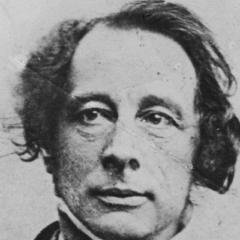
Charles Dickens
Charles Dickens

Charles Dickens, a British writer born on February 7, 1812, and died on June 9, 1870, is one of the greatest novelists of the 19th century. Known for his profound social criticism and vivid narrative style, Dickens' works extensively cover social reality, revealing various issues in the British society of the time. more

You May Also Like

“It's frustrating when our best efforts to help people fail. But if we could see life through their weary eyes and experience their trials with the same frayed emotions, we might understand why.”

“How did I learn empathy? I learned it while suffering. How did I learn about karma? Because it came back to me and I deserved it. I now know when any hurt I experience is due to circumstances outside of my control, karma, or self-imposed consequences for foolish choices. I do feel justice is served if karma humbles someone who needs it, and as anyone who has been wronged can attest, what they seem to want most is for the offending party to experience how it feels and to know in that moment exactly what they did to someone else and to be filled with remorse and hopefully, repentance.”

“Imagination in these works is equated with empathy; we can't experience all that others have gone through, but we can understand even the most monstrous individuals in works of fiction. A good novel is one that shows the complexity of individuals, and creates enough space for all these characters to have a voice; in this way a novel is called democratic—not that it advocates democracy but that by nature it is so. Empathy lies at the heart of Gatsby, like so many other great novels—the biggest sin is to be blind to others' problems and pains. Not seeing them means denying their existence.”

“Those who judge must take all aspects of an individual's personality into account. It is only through literature that one can put oneself in someone else's shoes and understand the other's different and contradictory sides and refrain from becoming too ruthless. Outside the sphere of literature only one aspect of individuals is revealed. But if you understand their different dimensions you cannot easily murder them…”